About the problem

Why do so many capable girls lose confidence in STEM?

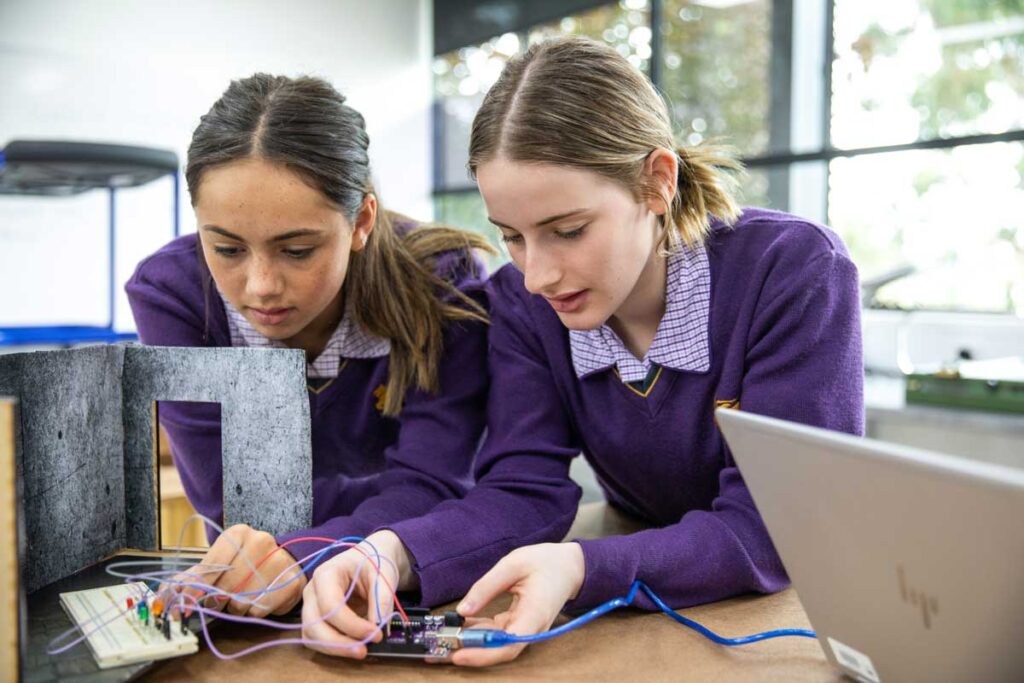
ms girls programming robotics 1200x800

This  project is developed in response to research and real educational experiences showing that female school students often disengage from STEM not because of ability, but due to confidence barriers, stereotypes, and lack of representation.

This website brings together theoretical insights and practical examples to present confidence as a central element in STEM engagement. Rather than offering solutions, the project encourages reflection, discussion, and awareness among students, educators, and stakeholders interested in gender equality in education.

Structural Inequality in STEM

Women in STEM often face systemic barriers that affect their career progression and motivation. These issues are not individual failures but are rooted in organizational and societal structures.

Key issues include:

Pay gap and being underpaid

Lack of recognition for achievements

Unequal workload distribution

Limited opportunities for promotion

These inequalities can discourage female students from pursuing STEM careers early on.

women in stem e1575294809273 675x900

Gender Stereotypes and Bias

Stereotypes play a major role in shaping how girls view STEM and how they are treated within these fields. STEM is often perceived as male-dominated, which creates a sense of exclusion.


Common challenges:

Traditional gender roles

Being underestimated or ridiculed

“Old boys’ club” culture

Assumptions about competence

Social and Environmental Challenges

External environments—such as schools, families, and workplaces—can either support or discourage girls’ interest in STEM.

Key factors:

Lack of support or encouragement

Harassment or discrimination

Limited female role models

Balancing expectations and responsibilities

Supportive and inclusive environments are essential for building confidence and long-term engagement in STEM